Comprehensive Guide to Our Artisan Breads: How to Find, Buy, and Enjoy Premium Sourdough and Gluten-Free Loaves
Artisan bread is more than just a staple; it embodies a blend of tradition and flavor that local bakeries have perfected over generations. The diverse types of artisan breads available not only cater to various tastes but also reflect cultural significance and local ingredients. This guide dives into the varieties of artisan loaves you can discover near Nottingham, emphasizing how to find, buy, and enjoy premium sourdough and gluten-free options. With the growing popularity of artisan bakers like Casa Bake, it’s essential to appreciate the artisanal techniques and quality of ingredients that elevate these breads above commercial offerings.
In this comprehensive guide, readers will learn about the characteristics that distinguish sourdough and gluten-free artisan breads, explore how traditional baking techniques enhance quality, and discover purchasing options in Nottingham. Additionally, we will look into health benefits and the evolving market landscape for artisan breads, providing insights into how to make informed choices for your dietary needs.
What Types of Artisan Bread Can You Discover Near Nottingham?
Artisan breads come in a variety of forms, each with unique characteristics and flavors. In and around Nottingham, there are numerous local favorites that reflect the rich baking tradition of the area. The key types of artisan bread you can find include sourdough, rye bread, and gluten-free options.
What Are the Key Characteristics of Sourdough and Gluten-Free Artisan Breads?
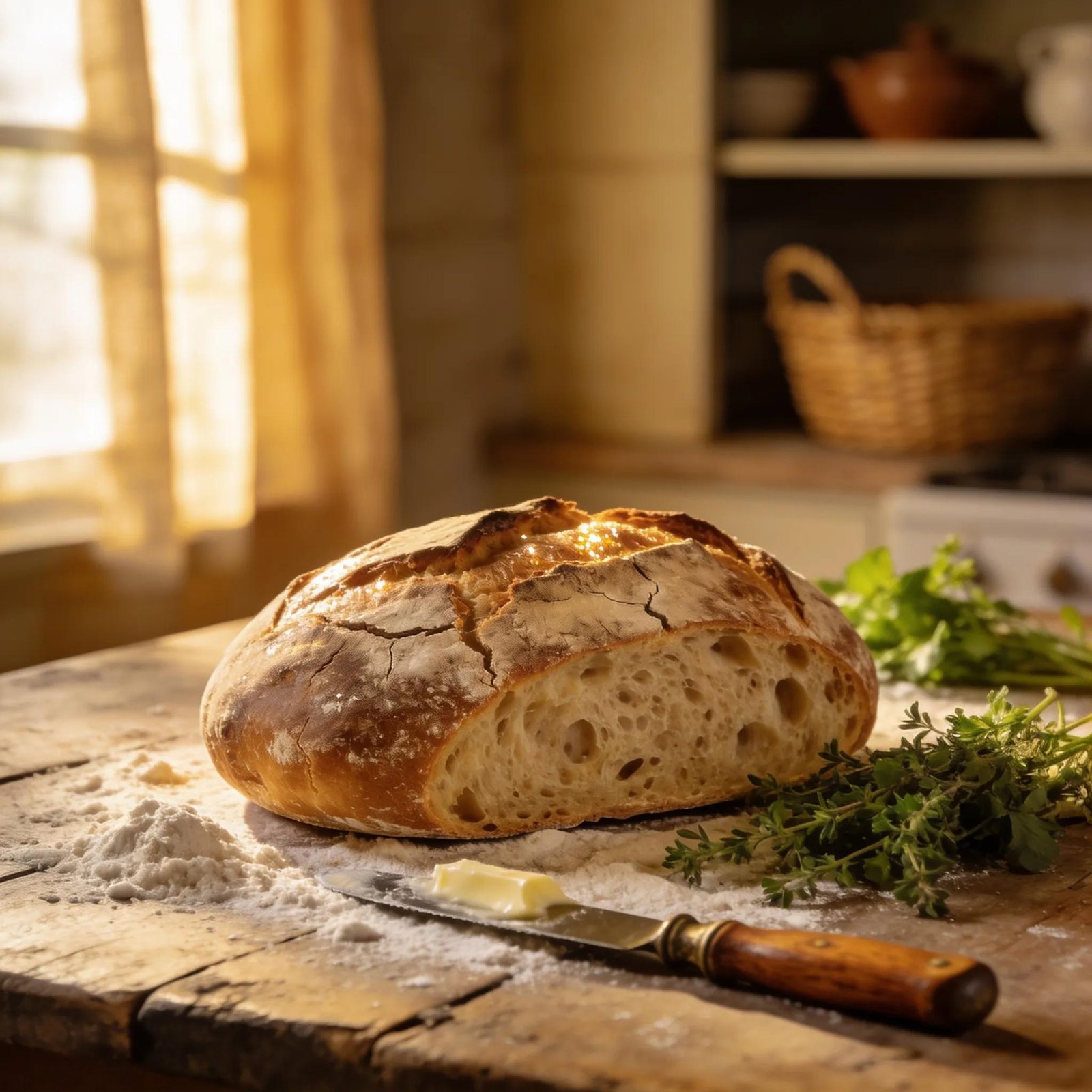
Sourdough bread is renowned for its tangy flavor, chewy texture, and crispy crust, achieved through a natural fermentation process using wild yeast and bacteria. This process not only contributes to its rich taste but also enhances its digestibility. In contrast, gluten-free artisan breads utilize alternative flours such as almond or rice flour, often incorporating additional seeds and nuts for flavor and texture, catering to individuals with gluten sensitivities while still offering a delightful culinary experience.
How Does Casa Bake’s Artisan Bread Range Reflect Local Nottingham Traditions?
Casa Bake stands out for its commitment to using local ingredients, which imbues its artisan bread with a unique identity. Sourcing flour from nearby mills and incorporating traditional recipes not only celebrates Nottingham’s baking heritage but also supports local agriculture. Customers particularly enjoy their sourdough and rye bread, appreciating the fusion of modern techniques with traditional practices to create beloved favorites.
How Do Traditional Baking Techniques Enhance Artisan Bread Quality?
The quality of artisan bread is heavily influenced by the techniques employed by bakers. Traditional methods, such as long fermentation and hand shaping, significantly enhance the flavor and texture of the bread, differentiating it from mass-produced options.
What Ingredients and Fermentation Methods Define Authentic Sourdough Bread?
Authentic sourdough bread is created using specific ingredients such as flour, water, and salt, combined with a natural starter. The fermentation process can last anywhere from several hours to days, allowing for the development of complex flavors and a desirable chewy texture. This commitment to traditional baking methods ensures that each loaf retains its character, offering a taste experience that is unique and satisfying.
How Do Local Ingredients from Nottingham Influence Flavor and Sustainability?
Local sourcing not only benefits the flavor profile of the bread but also promotes sustainability. Using ingredients from local farms reduces transportation emissions and supports the community, creating a unique connection between bakers and the consumers. This focus on sustainable practices is increasingly important as consumers become more conscientious about their food choices.
Where and How Can You Buy Fresh Artisan and Sourdough Bread in Nottingham?
Finding fresh artisan bread in Nottingham is an enjoyable endeavor, with various local bakeries and markets offering an array of high-quality options. From in-store purchases to convenient delivery services, there are multiple avenues to explore for sourdough and gluten-free artisan breads.
What Options Exist for Artisan Bread Delivery and In-Store Purchases Near Me?
Many local bakeries, including Casa Bake, provide both in-store purchases and delivery options. Customers can enjoy the convenience of ordering online for delivery directly to their homes or picking up freshly baked loaves at the bakery. Additionally, local farmers’ markets often feature stalls dedicated to artisanal breads, presenting an opportunity to sample and purchase directly from the bakers.
How to Choose the Right Artisan Bread for Your Preferences and Dietary Needs?
Choosing the right artisan bread involves understanding your flavor preferences and any dietary restrictions. When selecting sourdough, consider factors such as the crust’s texture and the tanginess of the flavor. For gluten-free options, look for those made with whole grains or seeds for added nutrition and flavor. The staff at local bakeries can also offer guidance based on your individual tastes and needs.
What Are the Best Practices for Storing and Consuming Artisan Bread?
To maximize the enjoyment of your artisan bread, proper storage and consumption practices are vital. Storing bread correctly helps preserve its freshness and flavor while ensuring the best eating experience.
How Should You Store Sourdough and Gluten-Free Artisan Breads to Preserve Freshness?
Sourdough and gluten-free breads should be stored in a cool, dry place, ideally in a paper bag or a cloth bread bag that allows for some airflow. If the bread is not consumed within a few days, it can also be frozen to maintain its quality. When ready to enjoy, simply thaw at room temperature or reheat in the oven for a few minutes to restore its crustiness.
What Creative Serving Suggestions Enhance the Artisan Bread Experience?
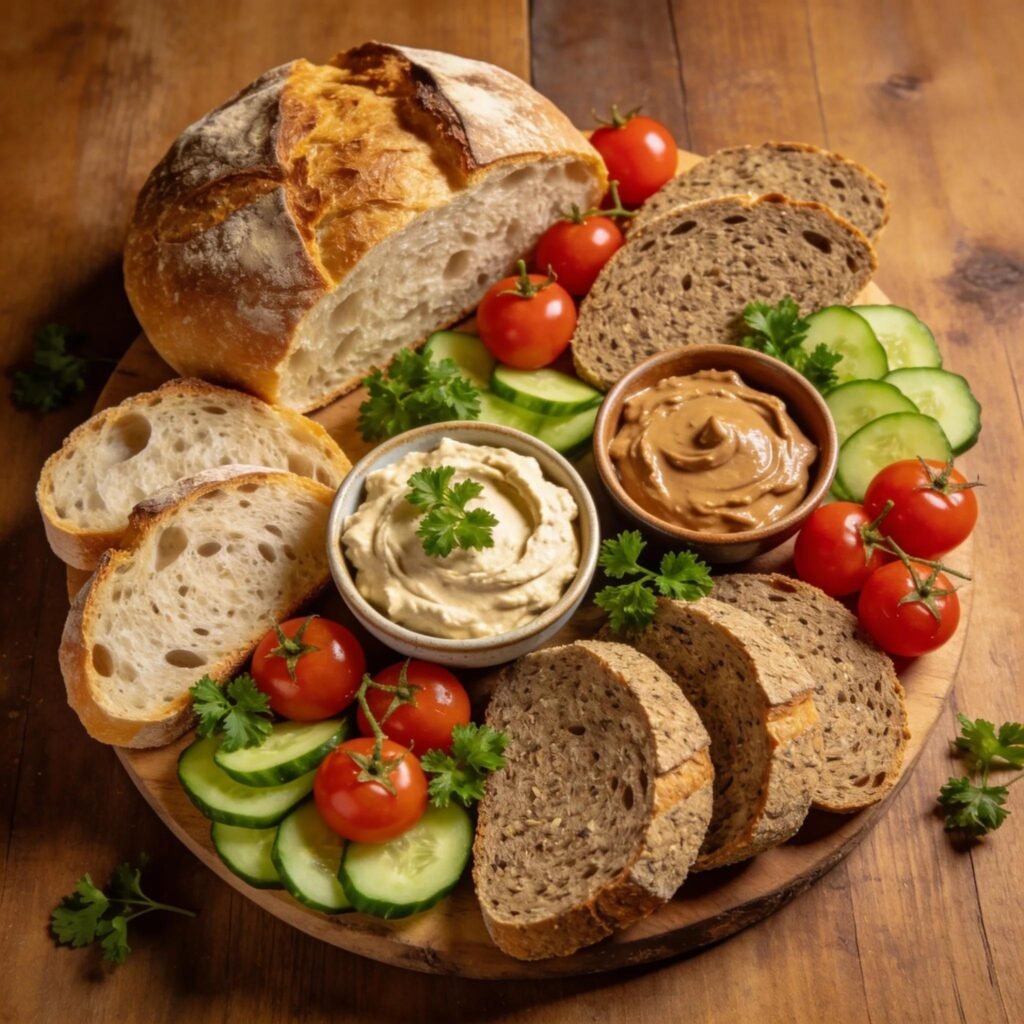
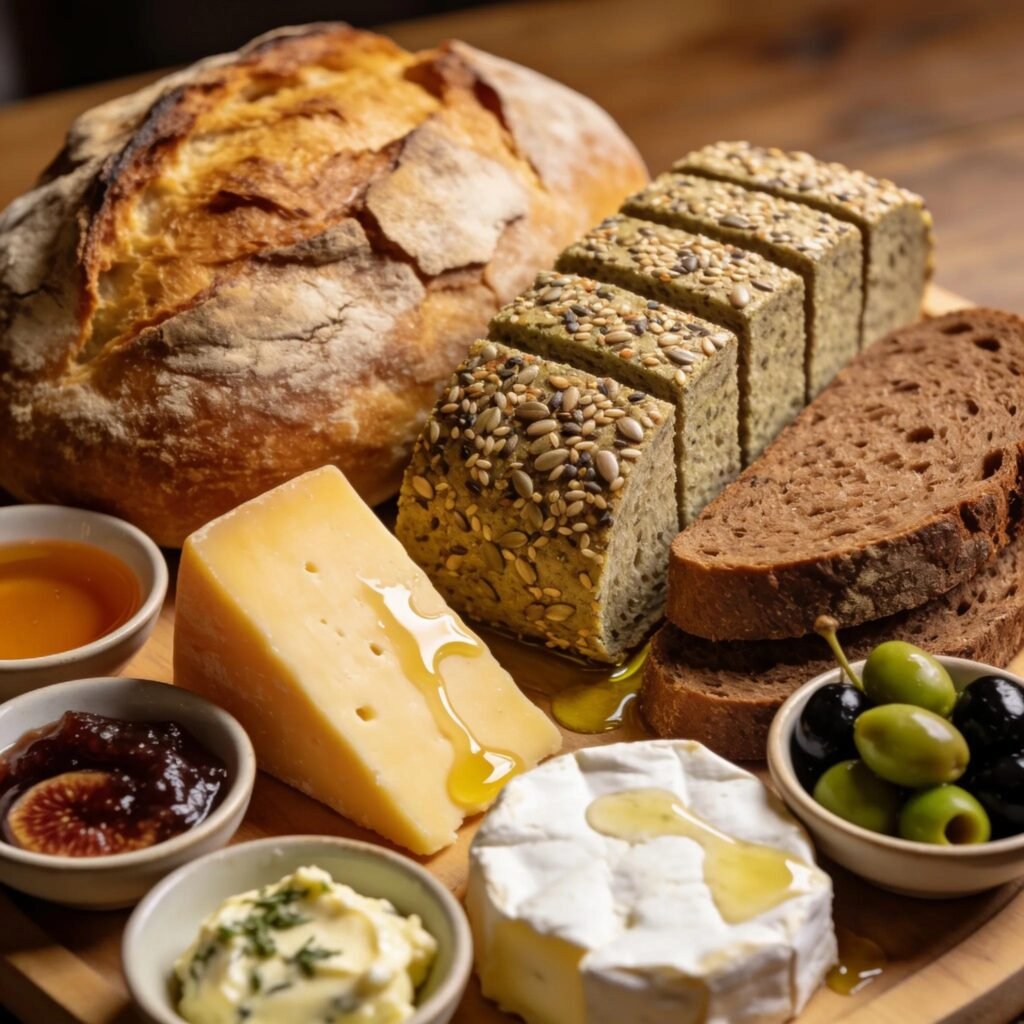
Artisan bread is versatile and can be enjoyed in numerous ways. For sourdough, consider serving with a selection of cheeses, olives, and cured meats for a rustic charcuterie board. Gluten-free bread pairs well with spreads like hummus or nut butter, offering a delightful snack or addition to meals. Incorporating bread into meals, such as using it in sandwiches or as a side for soups, adds an element of enjoyment to each bite.
What Are the Health Benefits and Nutritional Profiles of Artisan Breads?
Artisan breads, particularly sourdough, offer several health benefits that set them apart from conventional bread options. Understanding their nutritional profiles can help consumers make healthier choices aligned with their dietary goals.
How Does Sourdough Bread Support Digestive Health Compared to Regular Bread?
Sourdough bread is often easier to digest due to its fermentation process, which reduces phytates and breaks down gluten, making nutrients more available. This difference can lead to fewer digestive issues for many individuals compared to regular breads. Moreover, the presence of beneficial probiotics in traditionally fermented sourdough can also support gut health.
What Nutritional Advantages Do Gluten-Free Artisan Breads Offer?
Gluten-free artisan breads can provide significant nutritional benefits for those with gluten intolerance or celiac disease. These breads often contain a variety of whole grains and seeds that offer fiber and essential nutrients while avoiding the adverse effects of gluten. This focus on wholesome ingredients allows those with dietary restrictions to enjoy bread without compromising their health.
How Is the Artisan Bread Market Evolving in Nottingham and Online?
The artisan bread market is continuously evolving, influenced by consumer demand for quality and sustainability. Local bakeries are adapting to these changes by enhancing their offerings and exploring online sales.
What Trends Are Driving the Rise of Traditional Fermentation and Organic Flour Use?
Consumers are increasingly drawing towards traditional baking methods and organic ingredients, recognizing their health benefits and superior flavors. This trend reflects a broader movement towards sustainable and health-conscious eating, prompting bakeries to include organic flour in their recipes and emphasizing the use of traditional fermentation techniques to retain the integrity of their products.
How Are Local Bakeries Like Casa Bake Adapting to Growing Consumer Demand?
Local bakeries are responding to the growing consumer demand for artisan bread by innovating their product lines and improving service options. Casa Bake, for instance, is expanding its range of gluten-free products while ensuring that traditional favorites maintain their quality. Increased engagement with customers through social media also helps bakeries stay connected with their community and share their passion for artisan bread.
Leave a Reply